
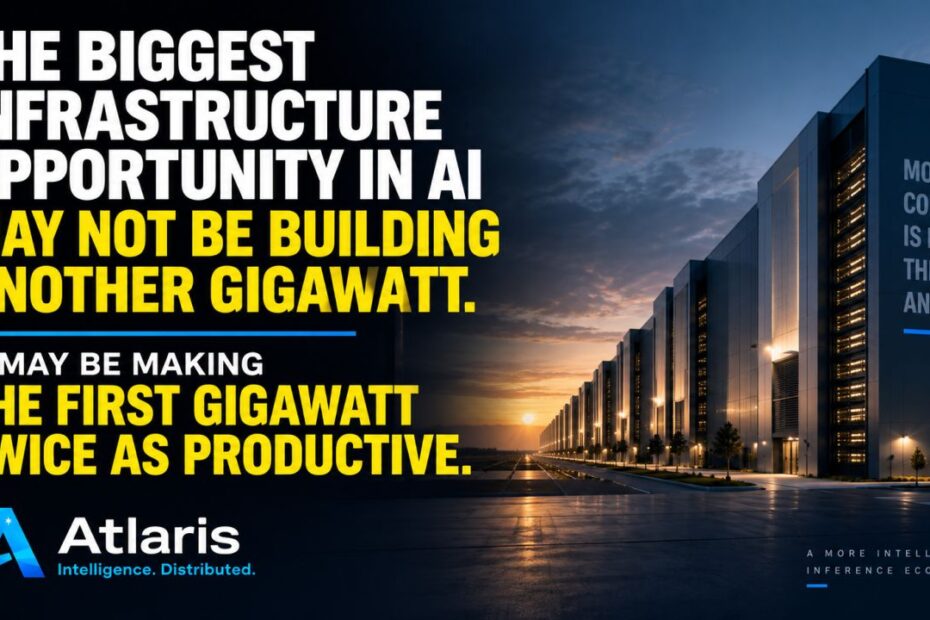
WE MAY BE BUILDING TOO MANY AI DATA CENTERS
We often hear that AI inference needs to move closer to the user. But how many enterprise AI workloads actually need low latency today?
We often hear that AI inference needs to move closer to the user. But how many enterprise AI workloads actually need low latency today?
We often hear that AI inference needs to move closer to the user. But how many enterprise AI workloads actually need low latency today?
We often hear that AI inference needs to move closer to the user. But how many enterprise AI workloads actually need low latency today?
We often hear that AI inference needs to move closer to the user. But how many enterprise AI workloads actually need low latency today?
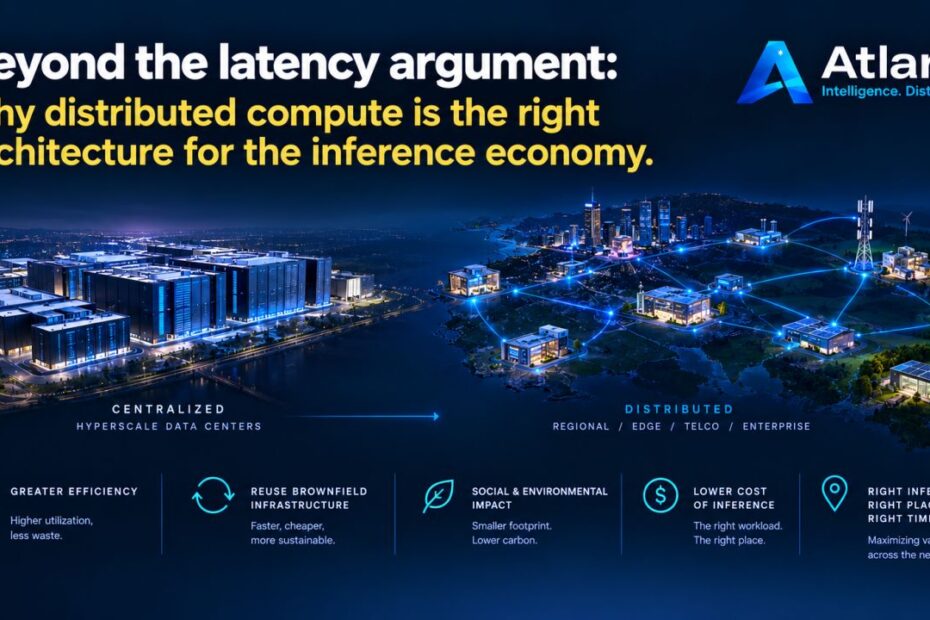
We often hear that AI inference needs to move closer to the user. But how many enterprise AI workloads actually need low latency today?
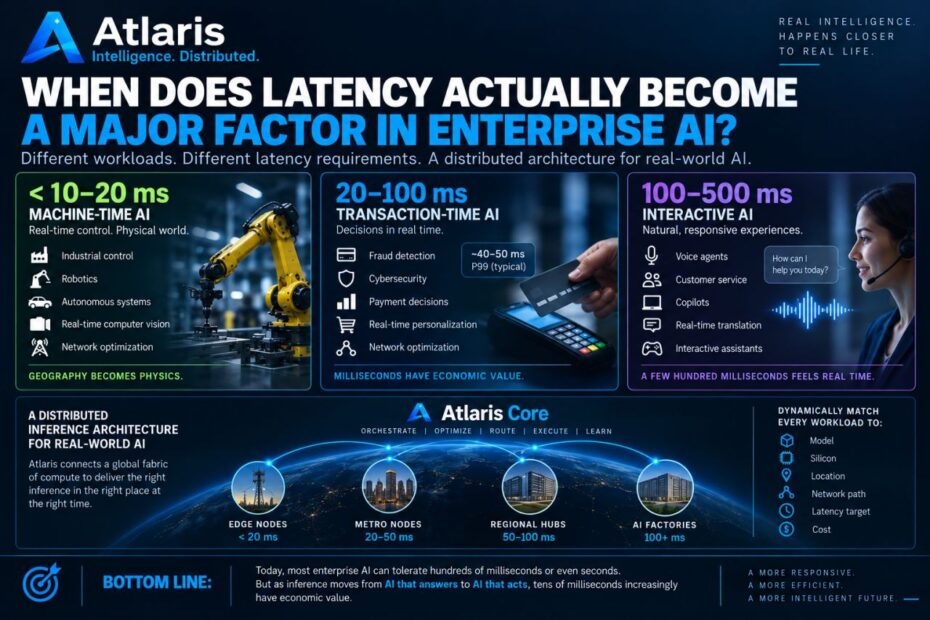
We often hear that AI inference needs to move closer to the user. But how many enterprise AI workloads actually need low latency today?
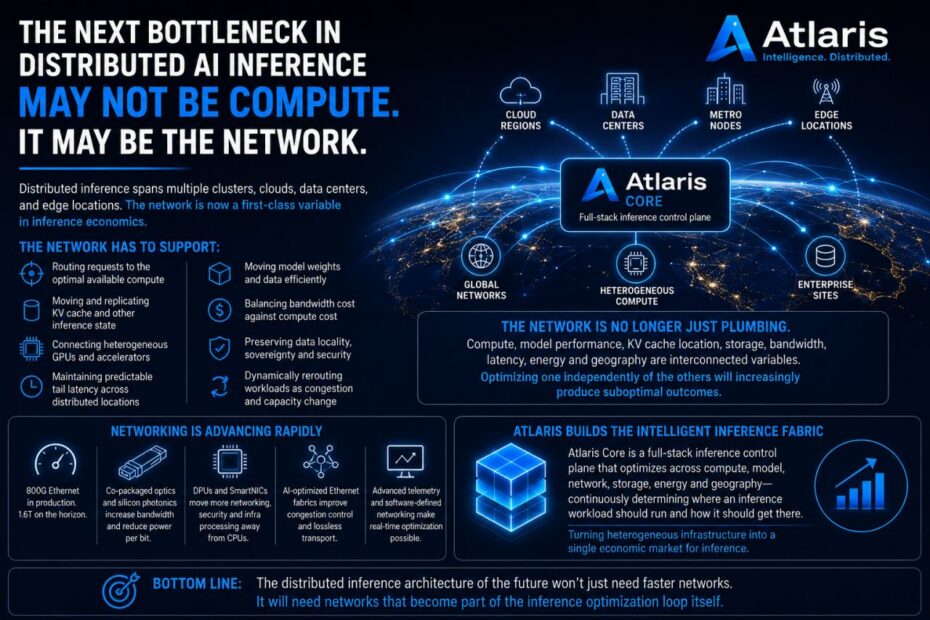
For years, networking was just about connecting GPUs inside a single training cluster. Distributed inference changes the game entirely.
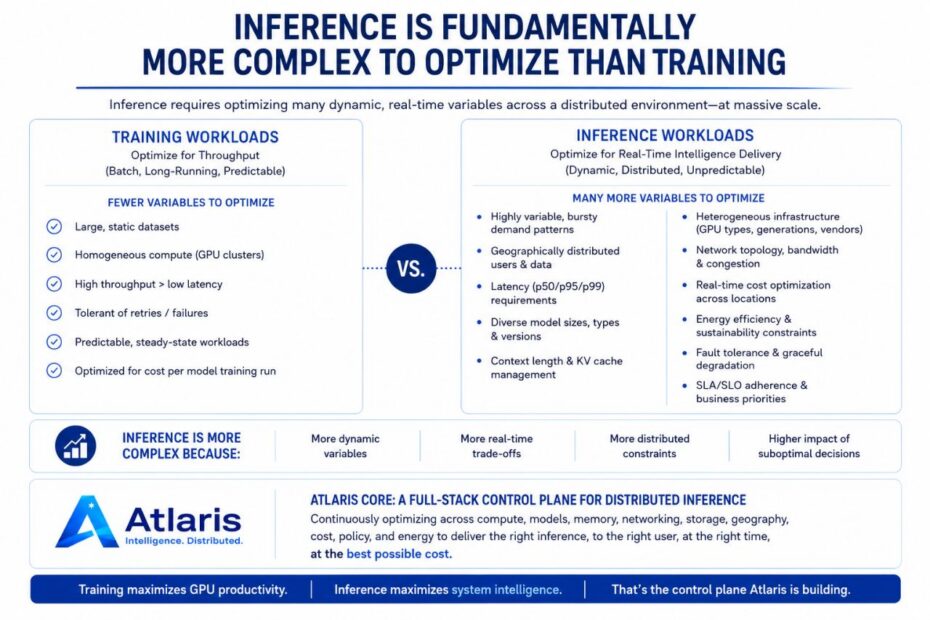
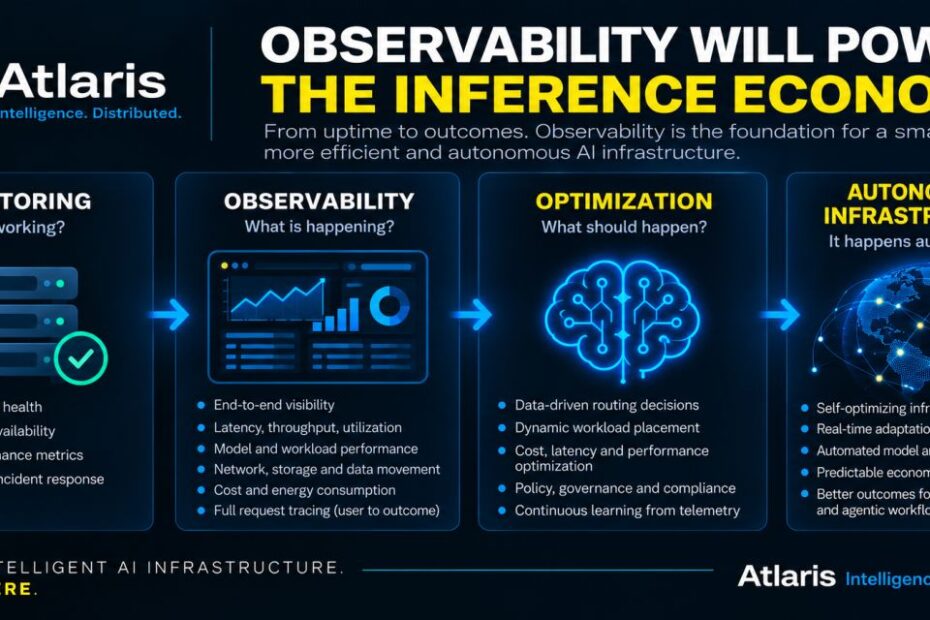
Inference is not just more compute-intensive than training—it is fundamentally more complex to optimize.
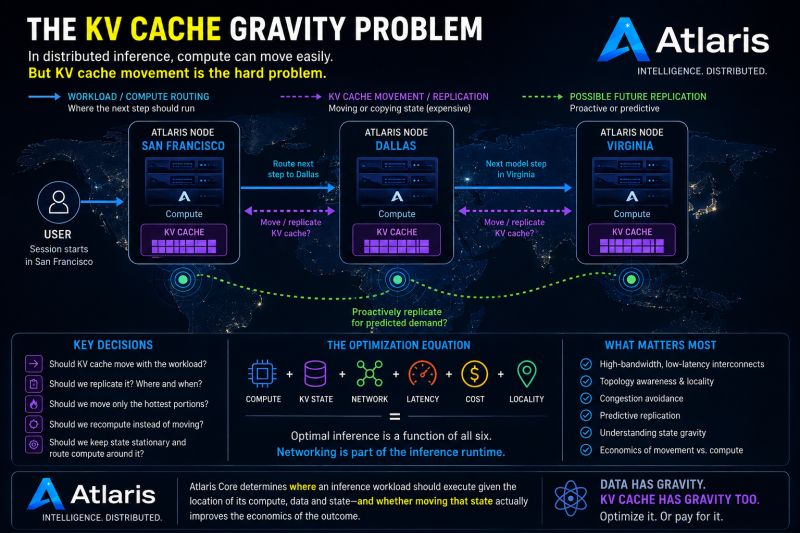
The compute can move. But what happens to the KV cache?
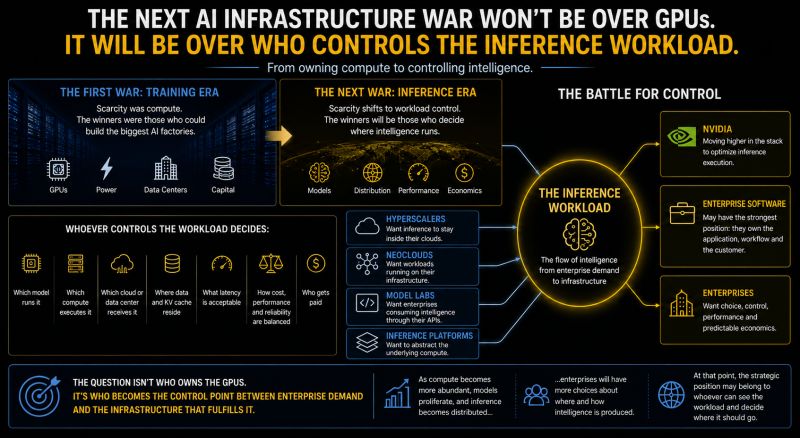
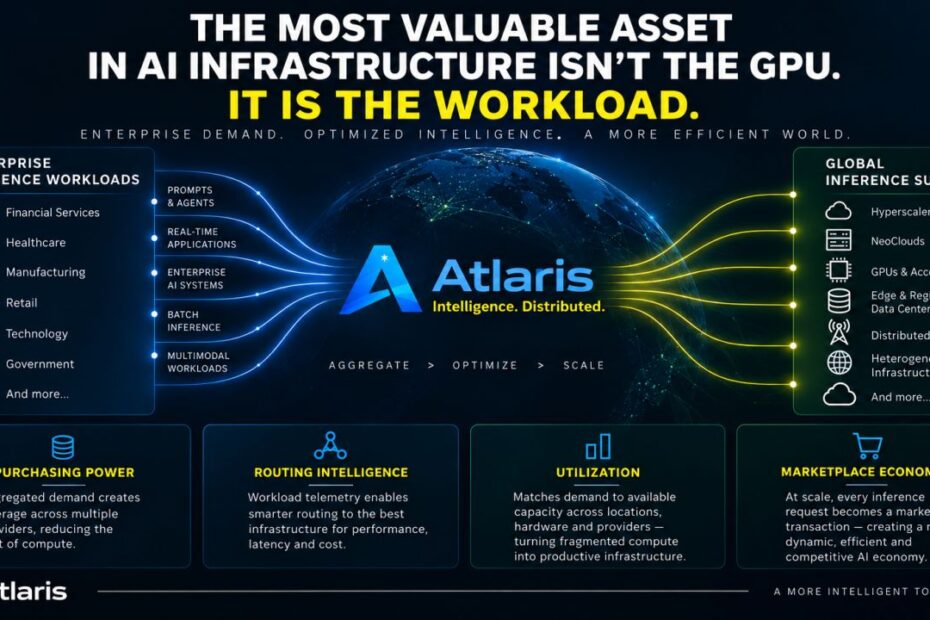
As AI transitions to running billions of production workloads, the scarce strategic asset moves from hardware ownership to workload control.
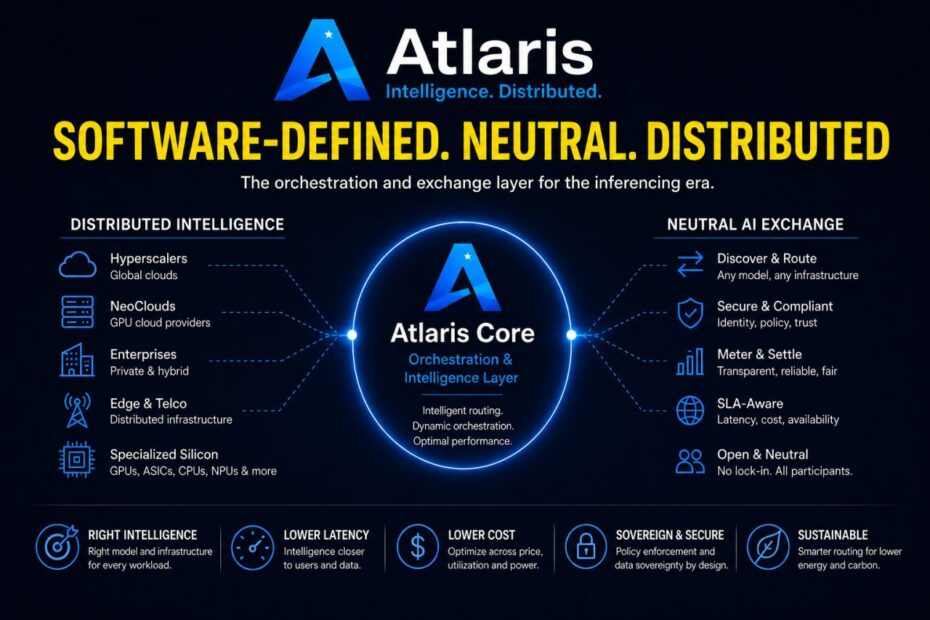
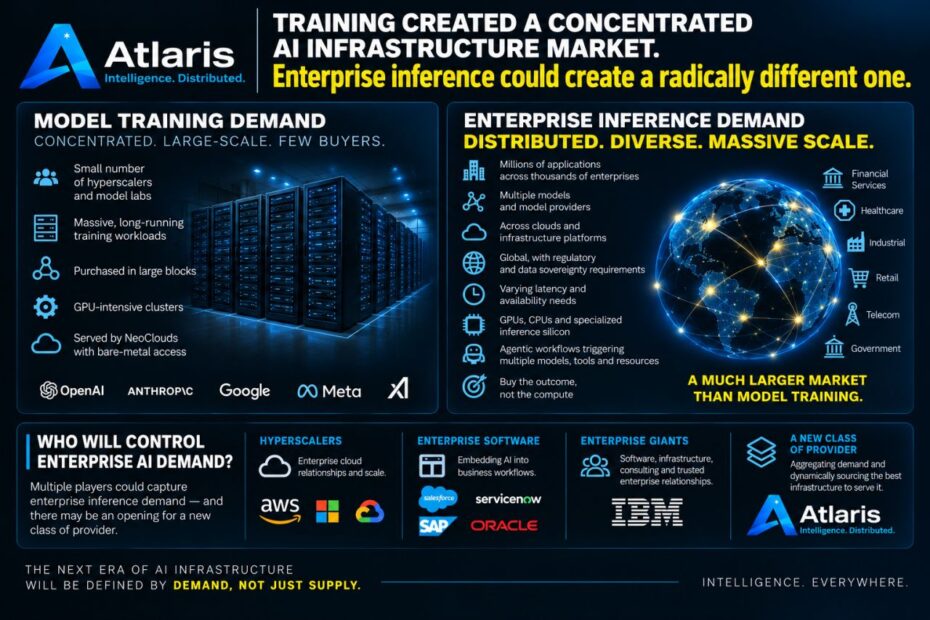
Training defined the first generation of AI infrastructure. Inference will define the next- and it requires a fundamentally different architecture.